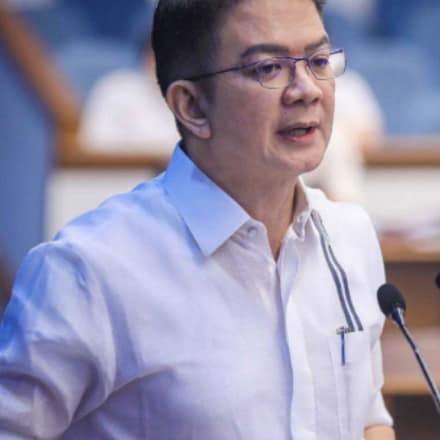




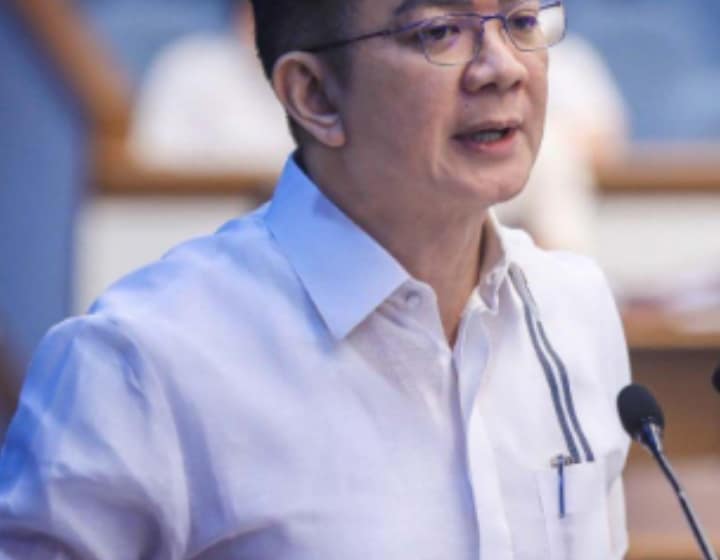

Senator Francis “Chiz” Escudero is proposing that thousands of unsold condominium units across the country be included in the government’s affordable housing initiatives, particularly under the expanded Pambansang Pabahay para sa Pilipino or 4PH Program. He said the government should consider making use of existing residential properties instead of relying solely on the construction of new housing projects, especially as millions of Filipinos continue to struggle to find decent and affordable homes.
The proposal was raised during Escudero’s Chiz Wiz! podcast over the weekend, which featured Department of Human Settlements and Urban Development (DHSUD) Undersecretary Marisol Anenias and Colliers Philippines Research Director Joey Roi Bondoc. During the discussion, Bondoc revealed that Metro Manila alone has an estimated 80,000 unsold condominium units, many of which were originally developed to serve the Philippine offshore gaming operator or POGO market. Escudero described this situation as a housing paradox, where thousands of residential units remain unoccupied even as the country faces a substantial housing backlog. He questioned the need to start building from the ground up when existing properties could already be made available to Filipino families through government and private-sector partnerships.
Escudero, who heads the Senate Committee on Urban Planning, Housing and Resettlement, pointed out that the DHSUD already allows property developers to enroll their excess housing inventory in the 4PH Program. However, Undersecretary Anenias explained that developers may have to accept reduced profit margins or shoulder certain losses to make the arrangement possible. For Escudero, the bigger concern is not simply the availability of housing units but whether ordinary families can afford to acquire them through manageable monthly payments.
He therefore called for a review of existing housing financing arrangements, including the possibility of providing additional subsidies, offering more flexible payment schemes and extending repayment periods to bring down monthly amortization. He also emphasized the need to develop more affordable rental housing for families who are not yet financially prepared to purchase their own homes.
The senator’s proposal forms part of broader legislative efforts to improve access to socialized and affordable housing. Among these is Senate Bill No. 1992, which seeks to strengthen the government’s capacity to acquire land for socialized housing and has already secured approval on third and final reading in the Senate.
Another measure, Senate Bill No. 2571, recently filed by Escudero, seeks to expand the options available to developers in complying with their housing obligations under the Urban Development and Housing Act of 1992. The proposed legislation would allow developers to convert ready-for-occupancy condominium units into accredited socialized housing, provided these comply with DHSUD-prescribed price ceilings and development standards. Once accredited, the units could be counted toward their existing or future balanced housing obligations, potentially speeding up the delivery of actual homes to qualified beneficiaries.
Aside from increasing the supply of affordable homes, Escudero also underscored the importance of addressing the other costs associated with homeownership. He said improving mass transportation should be part of the government’s housing strategy, enabling more Filipinos to settle outside highly urbanized areas while remaining within reasonable reach of their workplaces and livelihood opportunities.