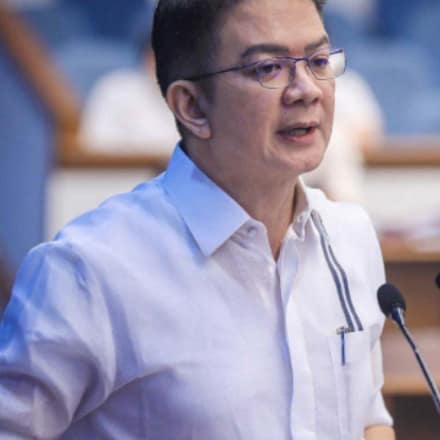




Senator Francis “Chiz” Escudero is pushing for a stronger partnership between government and the private sector to address the country’s housing shortage, as the Senate advances a measure designed to expand access to affordable and decent rental housing for poor and low-income Filipino families.
Escudero sponsored Senate Bill No. 2507, or the proposed “Affordable and Decent Rental Housing Incentives Act,” which recently passed second reading in the Senate. The measure seeks to encourage private developers to build, rehabilitate, and operate rental housing units that would be made available at affordable rates to qualified families.
In his sponsorship speech, Escudero stressed that government cannot solve the housing problem alone, pointing to the constitutional mandate for government and the private sector to work together in providing decent housing. He said SB 2507 would give practical effect to this mandate by creating incentives for private-sector participation in affordable rental housing.
Under the bill, qualified rental housing units would be subject to a registration and certification system, with rental rates to be determined by the Department of Human Settlements and Urban Development based on household income, prevailing rental prices in the area, and the size and type of housing unit.
Escudero’s measure also offers significant incentives to developers and operators of qualified rental housing, including VAT exemption on leases, tax incentives under the CREATE Act, and a 25-percent tax credit on gross rental income for five years.
Qualified developers may likewise gain access to preferential lending terms from Pag-IBIG Fund, the Land Bank of the Philippines, and the Development Bank of the Philippines, as well as government-backed mechanisms such as credit guarantees, interest subsidies, and viability gap funding.
The veteran legislator also proposed allowing government land and other public assets to be utilized for affordable rental housing through usufruct, lease, concession, and public-private partnership arrangements.
For Escudero, the goal is not simply to regulate rental housing but to increase the supply of affordable rental units available to Filipino families.
He said the measure would give government the tools to bring together public and private resources toward a common objective—making decent and affordable housing more accessible to every Filipino family.
Funding for the implementation of the proposed law would be included in the annual General Appropriations Act and in the spending programs of concerned government-owned and controlled corporations.